U.S. stocks
13 hours agoNews Editor

VIX climbs back above 20 as U.S. stock sell-off lifts risk aversion

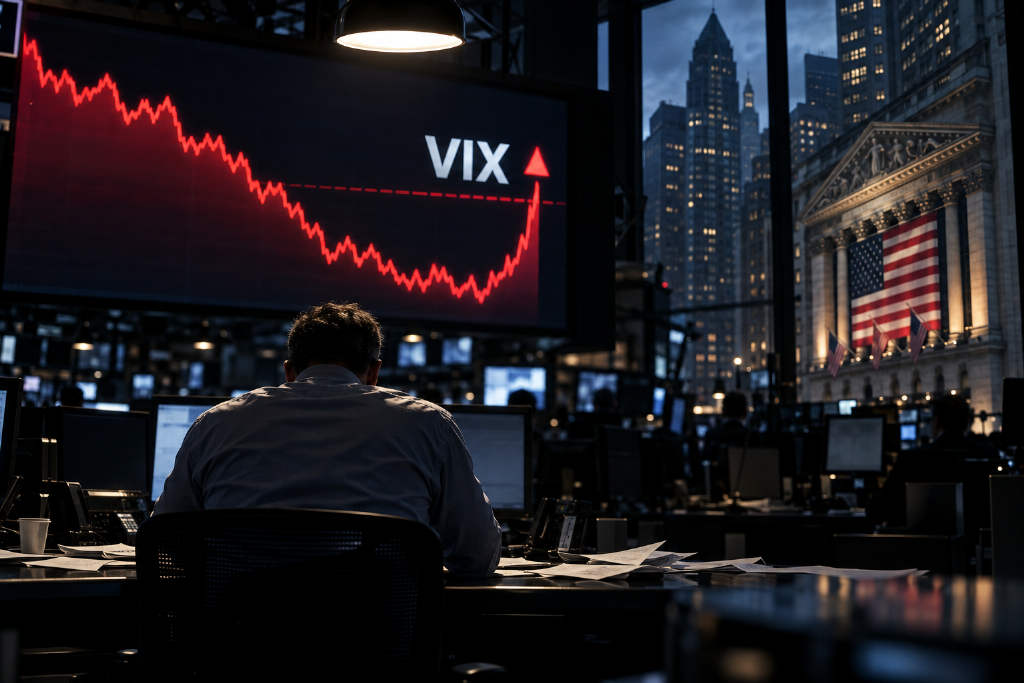
Risk aversion picked up as U.S. stocks came under selling pressure, according to data cited by Odaily from MSX.COM. The Cboe Volatility Index, or VIX, which tracks expected volatility for the S&P 500, rose by 3 points to 20.17. During the session, it briefly reached 22.31, marking a recent high. The move pushed the index back above the 20 threshold, a level often watched as a sign that concern over near-term equity swings is increasing. The reading points to a clear rise in investor caution as the stock market faces heavier pressure.

50
VIX climbs back above 20 as U.S. stock sell-off lifts risk aversion
Bitcoin
18 hours agoNews Editor

BTC and ETH options turn more bearish as risk-off mood deepens

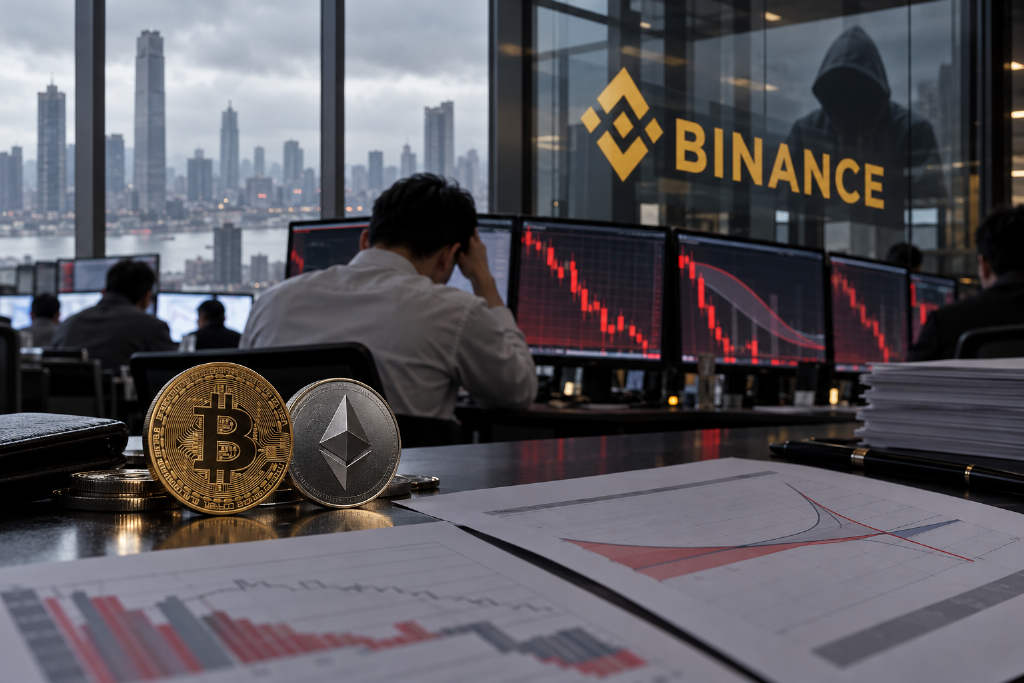
Bitcoin and Ether options markets showed a stronger bearish tilt after a sharp sell-off tied to what Odaily described as a suspected $6.3 billion attack on Binance by North Korean hackers. Bitcoin briefly fell to $76,400, its lowest level since Sept. 18, before recovering part of the loss. Ether dropped to as low as $2,170 and later rebounded to around $2,220. According to CoinDesk, risk aversion intensified across the crypto market, with put options making up the majority of the most actively traded BTC and ETH contracts. At the same time, 25-delta skew across multiple expiries moved higher, a sign that traders were paying more to hedge against downside risk. Pressure was not limited to digital assets. Weakness in U.S. technology stocks added to the cautious tone, with Nasdaq 100 futures down 2.3%. The combination of crypto-specific stress and broader market weakness pointed to a more defensive trading backdrop in both spot and derivatives markets.

20
BTC and ETH options turn more bearish as risk-off mood deepens
global bond market
8 days agoNews Editor

Risk-Off Mood Lifts Global Corporate Bond Spreads to 129 Basis Points

Risk aversion intensified across global bond markets after a sell-off in AI-related stocks and rising geopolitical tensions. Asian high-grade corporate dollar bond spreads climbed to their highest level since July last year, while the yield premium on global corporate bonds jumped to 129 basis points. The move came as investors grew concerned about the pace of spending tied to artificial intelligence, adding to market turbulence. Citadel Securities CEO Griffin warned about bubble risks, while Blackstone President Jon Gray said demand in the market remains strong. The divergence in those views reflects the uncertainty now shaping sentiment across credit markets.

420
Risk-Off Mood Lifts Global Corporate Bond Spreads to 129 Basis Points
South Korea
2 months agoNews Editor

South Korean funds shift from stocks to bank deposits as market volatility rises

South Korean investors are pulling money out of the stock market and moving it into bank deposits and other defensive assets, according to Daum. The report said market volatility has intensified, risk appetite has weakened, and cash that had been waiting on the sidelines for equity trading is leaving the market quickly. The shift has been linked to a correction in semiconductor shares and tighter oversight of leveraged investing. Data cited in the report showed that term deposits at South Korea’s five major banks — KB Kookmin, Shinhan, Hana, Woori, and NH Nonghyup — reached KRW 973.49 trillion at the end of July, up KRW 24.09 trillion from the end of the previous month. That marked the largest monthly increase so far this year. At the same time, brokerage cash balances used for stock trading fell sharply. The Korea Financial Investment Association’s figures showed investor deposits in securities accounts dropped from a record KRW 139.69 trillion on June 4 to KRW 107.20 trillion as of July 28. Margin loan balances also declined to KRW 33.19 trillion from a peak of KRW 37.72 trillion on July 2, a drop of about KRW 4.5 trillion, or roughly 12%.

2280
South Korean funds shift from stocks to bank deposits as market volatility rises
Coinbase
4 months agoNews Editor

Coinbase Bitcoin Premium Index in Negative for 40 Consecutive Days, US Buying Power Slumps

According to Coinglass data, the Coinbase Bitcoin Premium Index has remained in negative territory for 40 consecutive days, currently at -0.1569%. The index measures the price difference of Bitcoin on Coinbase versus the global average. A negative premium indicates selling pressure on Coinbase, declining risk appetite among US investors, and potential capital outflows. This prolonged negative reading serves as a bearish signal for the US market.

1520
Coinbase Bitcoin Premium Index in Negative for 40 Consecutive Days, US Buying Power Slumps
Total 9 items
Go topage